Hypertension in pregnancy is not a single diagnosis. The term can describe high blood pressure that predates pregnancy, new high blood pressure after 20 weeks, or pre-eclampsia, a placenta-related disorder that can affect the liver, kidneys, brain and blood system.
This article explains the distinction between gestational hypertension and pre-eclampsia, why repeated blood-pressure and urine checks matter, and which symptoms need urgent assessment. It does not replace antenatal care.
How is high blood pressure in pregnancy defined?
The NHS defines hypertension in pregnancy as blood pressure from 140/90 to 159/109 mmHg. Severe hypertension is 160/110 mmHg or higher and needs treatment until the reading is below that threshold. These figures are clinical reference points, not a home diagnosis: blood pressure should be measured correctly by a clinician.
Gestational hypertension is not pre-eclampsia
Gestational hypertension is new high blood pressure after 20 weeks of pregnancy in someone who did not already have chronic hypertension. It resolves after birth, although blood pressure must be checked in the postpartum period.
Pre-eclampsia is a pregnancy disorder involving new high blood pressure plus evidence of organ dysfunction, such as kidney or liver involvement or low platelets, after 20 weeks. Protein in the urine is a common sign, but a modern diagnostic framework does not require it when other organ findings are present. The ACOG Practice Bulletin 222 title and 2026 reaffirmation support this distinction; the full diagnostic criteria are behind the member page.
The WHO fact sheet and some NHS patient information describe pre-eclampsia primarily as high blood pressure with proteinuria. That is the traditional presentation, not evidence that every case can be classified from one urine test alone.
What are the main categories?
- Chronic hypertension: high blood pressure present before pregnancy or before 20 weeks; it may persist after birth.
- Gestational hypertension: new high blood pressure after 20 weeks without evidence of pre-eclampsia.
- Pre-eclampsia: new high blood pressure after 20 weeks with organ dysfunction; it can progress to eclampsia, which involves seizures.
- Pre-eclampsia superimposed on chronic hypertension: worsening blood pressure or new organ involvement in someone who was already hypertensive.
- Eclampsia: seizures in the setting of pre-eclampsia; it is a medical emergency.
What can it affect?
Pre-eclampsia can affect maternal organs, the placenta and fetal growth. Complications may include impaired fetal growth, preterm birth, placental abruption, stroke, HELLP syndrome, eclampsia and, rarely, death. The WHO estimates pre-eclampsia affects 3–8% of people who give birth worldwide. These figures describe populations; an individual cannot use a percentage to decide whether a symptom is safe.
What symptoms need urgent assessment?
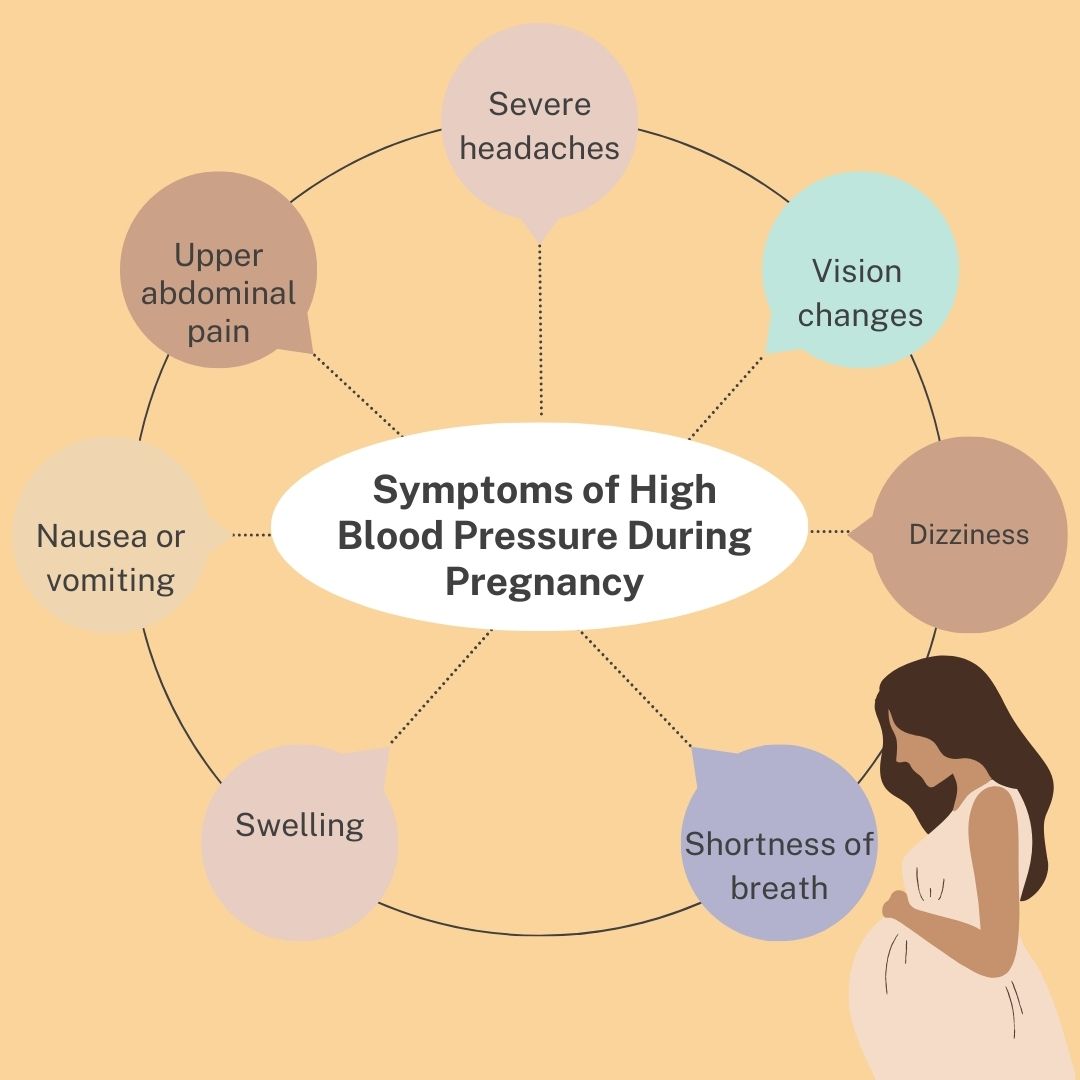
Contact the maternity team promptly for a severe headache that does not respond to simple painkillers, vision changes, pain below the ribs, sudden swelling of the face or hands, feeling very unwell, persistent heartburn or vomiting. Call emergency services for confusion, difficulty breathing, chest pain, a seizure, fainting or another severe sudden change.
Pre-eclampsia can appear with no obvious symptoms. That is why antenatal blood-pressure and urine checks matter even when a person feels well. It can also occur after birth, so new symptoms in the postpartum weeks need the same urgency.
What is the treatment?
Care depends on blood pressure, organ findings, fetal wellbeing and gestational age. A specialist may use antihypertensive medicines, close maternal and fetal monitoring, and magnesium sulfate to reduce the risk of eclampsia in selected cases. Treatment to prevent seizures is not the same as routine blood-pressure treatment.
Birth is the definitive way to resolve the pregnancy-related process, but timing requires specialist judgment. A clinician may recommend induction or cesarean birth earlier when maternal or fetal risk is high. Do not stop prescribed blood-pressure medicine or start aspirin, calcium or another supplement without advice.
How can risk be reduced?
Attend antenatal checks. For people at higher risk, the NHS may prescribe aspirin, generally from 12 weeks, and calcium where dietary intake is low. These are clinician-directed preventive measures for selected patients, not a universal treatment for hypertension or a substitute for monitoring.
Regular activity and a balanced diet can support general health. There is not enough evidence to use magnesium, folic acid or fish-oil supplements specifically to prevent hypertension in pregnancy.
Sources
- NHS: High blood pressure (hypertension) and pregnancy — reviewed 13 November 2024.
- NHS: Pre-eclampsia — reviewed 23 March 2026.
- American College of Obstetricians and Gynecologists. Gestational Hypertension and Preeclampsia. Practice Bulletin 222, reaffirmed 2026.
- WHO: Pre-eclampsia — fact sheet, 6 October 2026.
Reviewed November 21, 2026. Seek advice from the treating maternity team for an individual care plan.